
Storage and Freshness
Fragrance quality changes gradually when heat, light, air, and moisture are allowed to work on candle materials. Good storage habits help preserve the character of wax, wicks, lids, and scent ingredients so a candle smells closer to how it was intended when you open it later.
Explore ↗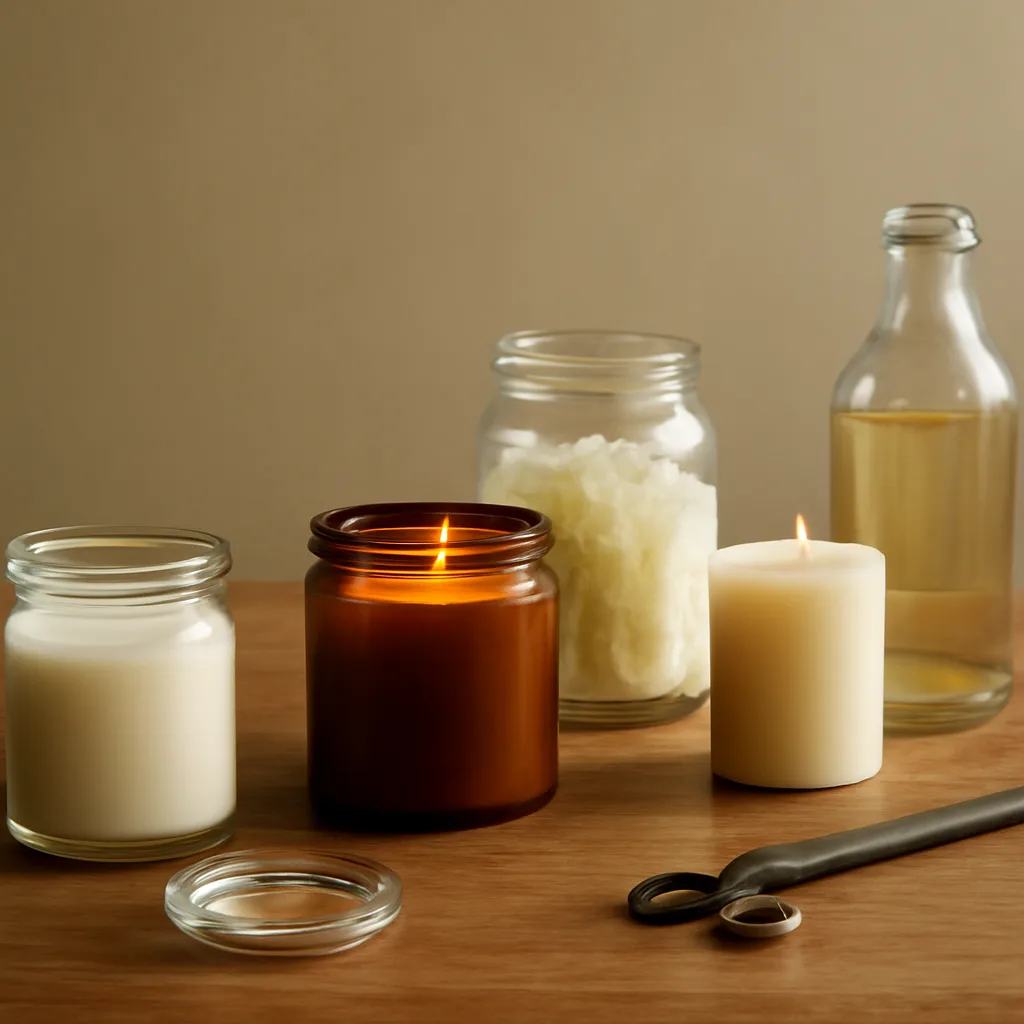
Why storage matters
Candles and fragrance materials are sensitive to their environment. Even when a product looks unchanged, scent can soften, shift, or become uneven if it is stored in a warm room, near sunlight, or in a place with repeated temperature swings.
A well-stored candle is easier to enjoy because the surface stays cleaner, the fragrance stays more consistent, and the wax is less likely to develop cosmetic issues that affect presentation or performance.
- Heat can encourage scent loss and softening.
- Light can fade color and alter delicate fragrance character.
- Humidity can affect labels, packaging, and some natural materials.
Best storage conditions
The best place for candles and fragrance materials is cool, dry, and out of direct light. A stable indoor shelf or cabinet is usually better than a windowsill, bathroom, garage, or car, where temperature and moisture change often.
Keep containers closed when possible. Tight lids or covers help limit exposure to air, which can slowly flatten fragrance. If a candle is stored without a lid, place it where dust and odors from other household items will not collect on the surface.
- Store in a room with steady temperature.
- Keep away from ovens, radiators, and sunny windows.
- Avoid damp areas where labels and packaging can warp.
- Separate from strong-smelling items like cleaners or spices.
How to protect scent quality
Fragrance is easiest to preserve when each component is treated gently. Wax should remain free from dust and debris, wicks should stay upright and unbent, and fragrance materials should not sit open for long periods.
If you are storing candles for a later use, keep the vessel or container sealed if that is how it was designed. For loose materials, use airtight containers that are clean and odor-free. Any lingering scent from previous contents can change the fragrance profile over time.
For best consistency, avoid repeatedly moving candles between hot and cold environments. That kind of cycling can cause sweating, frosting, or other texture changes that may not affect safety but can affect appearance and the way the scent is perceived.
- Close lids fully after each use or storage period.
- Use clean containers for any loose materials.
- Do not store near perfumes, laundry products, or food aromas.
- Limit handling so oils and dust do not transfer to the surface.
What to check before using an older candle
Before lighting a candle that has been stored for a while, inspect the surface, the wick, and the container. A slight change in appearance is not always a problem, but visible dirt, moisture, cracking, or a strong off-odor are signs to pause and assess the candle carefully.
Let a candle return to room temperature before use if it was kept somewhere cooler than the space where it will be burned. A gradual return helps reduce condensation and gives you a more accurate sense of the fragrance when it warms.
- Look for dust, moisture, or discoloration.
- Check that the wick is centered and upright.
- Smell the candle cold to judge whether the fragrance still seems balanced.
- Allow temperature to normalize before burning.
Routine habits for long-term freshness
A simple storage routine can make a noticeable difference over time. Wipe containers before storing them, replace lids promptly, and keep related supplies organized so older items are used before newer ones sit too long.
For households that keep multiple fragrances on hand, it helps to label the date opened or the storage month. That makes rotation easier and reduces the chance that a candle is forgotten in a drawer until its scent has faded more than necessary.
If you have questions about storing candles, preserving scent materials, or organizing a refill-friendly setup, note the exact item and storage condition you are asking about so the guidance can be more specific and practical.
- Clean surfaces before long storage.
- Rotate stock so older items are used first.
- Track opening or storage dates when helpful.
- Keep similar fragrances grouped together to reduce confusion.
Discover
How Candle Refills Work
A clear guide to the refill process, from preparing an empty vessel to lighting the finished candle with simple care tips.
Choosing a Vessel
Practical guidance for selecting candle jars and containers that suit refills, room use, and your home decor.
Scent Notes for Each Room
Choose fragrance notes that suit each room’s purpose, from bright kitchen blends to soft bedroom and bath profiles.
Wick Care Basics
Simple wick care habits that help candles burn more evenly, reduce soot, and support cleaner everyday use.