
Scents
Choosing a scent is easier when you start with the feeling you want in the room. Some fragrances read clean and airy, while others feel warm, layered, or quiet. This guide groups common fragrance families so you can compare them by mood, intensity, and where they tend to feel most natural.
Explore ↗
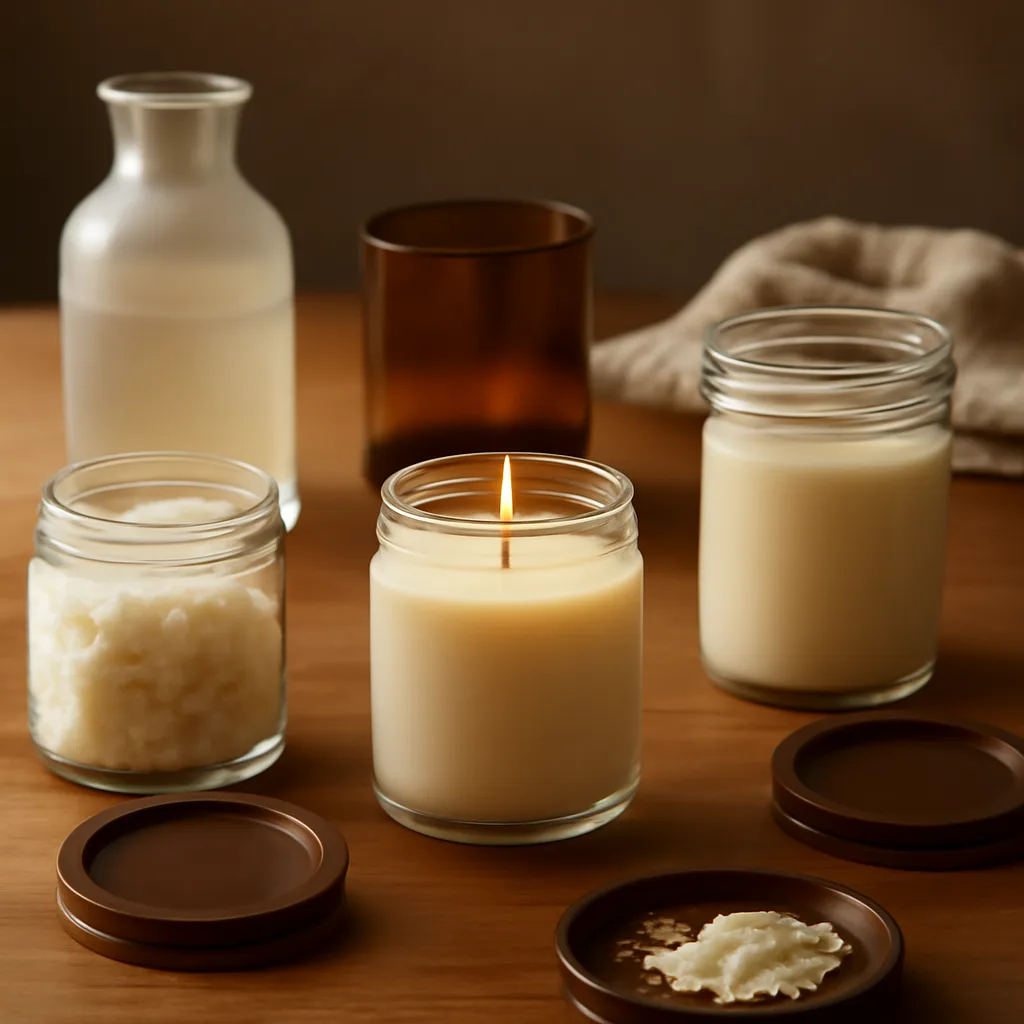
Compare fragrance families, note profiles, and mood cues to choose candle refills that fit each room and season.
How to think about fragrance families
Most candle scents can be grouped by the way they open and settle in a room. Fresh profiles usually feel lighter and more expansive, while gourmand and woody profiles often feel richer and more enveloping. Floral and herbal scents can sit in the middle, depending on how sweet or green they are.
When comparing options, notice three things: the first impression, the middle notes that carry after a few minutes, and the overall finish. A scent can seem bright at first, then soften into something creamy, smoky, or herbal.
- Fresh: airy, clean, crisp
- Floral: petal-like, soft, sometimes powdery
- Herbal: green, aromatic, calm
- Woody: dry, grounded, warm
- Gourmand: sweet, edible, cozy
Fresh and citrus scents
Fresh scents are often the easiest starting point for kitchens, entryways, and other shared spaces. Citrus, linen-like accords, and watery notes can help a room feel open without seeming heavy. They are useful when you want noticeable fragrance that still leaves plenty of breathing room.
If you prefer a more polished fresh scent, look for citrus paired with herbs or light woods. If you want a sharper, brighter profile, choose scents that lean lemon, bergamot, grapefruit, or clean marine notes.
- Best for daytime use
- Pairs well with minimalist rooms
- Can feel sharper when layered with spice or smoke
Floral, herbal, and green scents
Floral scents range from soft and romantic to vivid and dewy. Herbal scents usually feel more restrained, with rosemary, basil, sage, lavender, or similar green facets. These families often work well when you want a room to feel tidy, relaxed, or gently lifted rather than sugary.
Green scents sit between floral and fresh. They can suggest crushed stems, cut leaves, tea, or garden air, which makes them a good match for rooms where you want clarity more than sweetness.
- Choose florals for a softer, more decorative feel
- Choose herbs for a cleaner, drier profile
- Choose green notes for balance between freshness and warmth
Warm, woody, and gourmand scents
Warm fragrances are built for evenings and cooler seasons. Woods, amber-like notes, vanilla, spice, smoke, and resinous accents create depth and a slower mood. Gourmand scents add edible qualities such as caramel, cocoa, almond, or baked spice, which can feel especially comforting in private rooms.
These scents often last as a stronger impression in the air, so they work best when you want the fragrance to feel present rather than background-soft.
- Woody: structured, steady, quietly bold
- Warm spice: cozy and seasonally expressive
- Gourmand: sweet, comforting, sometimes rich
A simple way to choose by room and mood
Start with the atmosphere you want, then narrow by scent family. A bright morning room may suit citrus or herbal notes, while a reading space may feel better with woods or soft florals. For a gathering space, try a balanced profile that combines freshness with a little warmth so it does not fade into the background.
If you are comparing several refills, keep a short scent map: one fresh option, one soft floral or herbal option, and one warm or woody option. That makes it easier to rotate fragrances with the season or the kind of evening you want to create.
- Bright and open: citrus, marine, clean herbs
- Quiet and calm: lavender, tea, soft floral
- Grounded and cozy: cedar, amber, vanilla, spice
Discover
How Candle Refills Work
A clear guide to the refill process, from preparing an empty vessel to lighting the finished candle with simple care tips.

Choosing a Vessel
Practical guidance for selecting candle jars and containers that suit refills, room use, and your home decor.
Scent Notes for Each Room
Choose fragrance notes that suit each room’s purpose, from bright kitchen blends to soft bedroom and bath profiles.
Wick Care Basics
Simple wick care habits that help candles burn more evenly, reduce soot, and support cleaner everyday use.
Storage and Freshness
Practical guidance for keeping candles and fragrance materials stable, clean, and true to scent over time.